Scientists explore a powerful bioelectric connection Doctors and scientists now study how the vagus nerve and PEMF therapy may work together. This research could lead to better treatments for stress, anxiety, and chronic pain. PEMF Experts say this combination might boost health by calming the nervous system. The vagus nerve runs from the brain to the abdomen. PEMF Mat helps control digestion, heart rate, and inflammation. These pulses interact with the body’s natural electricity. How the vagus nerve affects your health? The vagus nerve plays a key role in health. It sends messages from the body to the brain and back. It helps control heart rate, mood, digestion, and the immune system. This nerve also controls the body’s “rest and digest” system. When it works well, you feel calm and healthy. If it gets weak, you may feel anxious or tired. Doctors now test ways to boost this nerve safely. One way is through light stimulation. This may include electric pulses, breathwork, or PEMF Devic...
Pulsed Electromagnetic Field (PEMF) therapy uses low-frequency electromagnetic waves. These waves pass through the body’s tissues. The goal is to improve healing and cellular activity. It is a non-invasive and painless method. PEMF Devices are often used at home or in clinics. PEMF is approved by the FDA for some bone conditions. It is commonly used for fractures and delayed healing. Now, many are asking if PEMF Mat works for osteoporosis.
Understanding Osteoporosis
Osteoporosis makes bones weak and brittle. It mostly affects older adults, especially postmenopausal women. Bones lose density and break easily. The spine, hips, and wrists are most at risk. This disease develops slowly and shows few early signs. Many people discover it after a bone breaks. Treatments include calcium, vitamin D, and medication. But new options like PEMF are gaining interest.
How PEMF May Help Osteoporosis?
Research shows PEMF may improve bone health. It stimulates bone-forming cells called osteoblasts. It also reduces bone-breaking cells called osteoclasts. This can help bones stay strong and dense. Studies suggest Omnium1 increases bone mineral density (BMD). Better BMD means lower risk of fractures. This effect may come from improved calcium absorption in bones.
Clinical Studies and Evidence
Several studies have tested PEMF on people with osteoporosis. Results are promising but not final. A 2020 study in Clinical Interventions in Aging showed BMD improvement in elderly women. Participants used PEMF for 12 weeks. Their spine and hip bones became denser. Another study in Osteoporosis International tested PEMF with calcium supplements. Patients who used both showed better results than those using calcium alone. A 2019 review from the Journal of Orthopaedic Surgery and Research analyzed many trials. Most studies showed a small but clear gain in bone density. However, researchers noted that more trials are needed.
PEMF vs. Traditional Treatments
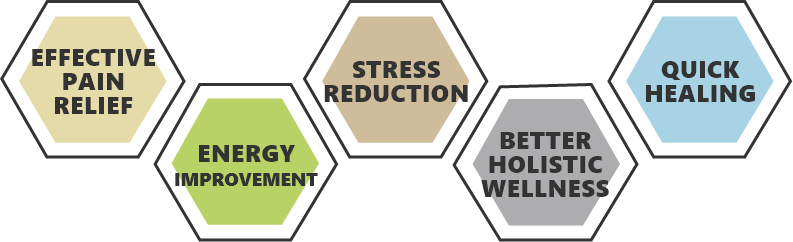
Traditional treatment includes medicine like bisphosphonates. These drugs slow bone loss but may cause side effects. Common side effects include stomach pain and joint aches. PEMF offers a drug-free option. It has fewer side effects. Users report better sleep, less pain, and more energy. It also improves circulation, which helps bone health. Still, PEMF does not replace medication for severe cases. PEMF Machine works best as a support therapy.
Safety of PEMF Devices
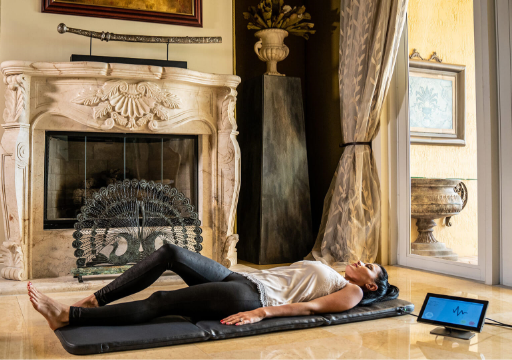
PEMF devices are generally safe. They are used worldwide by clinics and at home. Side effects are rare and mild. Some users may feel warmth or slight tingling. It is non-invasive and does not involve radiation. Devices follow strict medical safety standards. People with pacemakers or metal implants must consult doctors first. Children and pregnant women should avoid using PEMF without medical advice.
Types of PEMF Devices
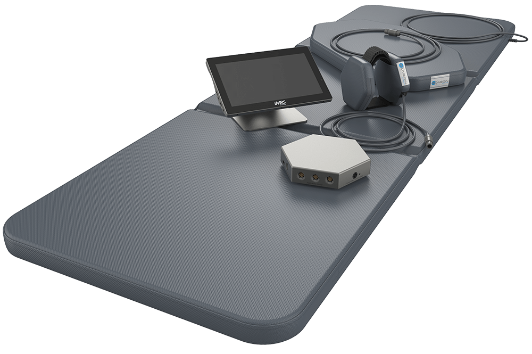
There are many PEMF devices available. Some are large mats. Others are small, portable units. They vary in strength and frequency settings. For bone health, low-frequency devices are most used. Some are designed specifically for osteoporosis. These devices target the spine and hips. Popular brands include iMRS 2000. All offer easy-to-use models with adjustable settings.
How to Use PEMF for Osteoporosis
Usage depends on the device type. Most devices recommend 30-minute sessions daily. Some users report benefits within weeks. Others may take a few months. Consistency is key. Missing sessions reduces effectiveness. Combining PEMF with a healthy diet and light exercise works best. Doctors advise using PEMF as part of a broader treatment plan.
Expert Opinions
Many doctors and therapists see value in PEMF. Regenerative medicine expert, supports its use. She says it helps improve cell function and reduces inflammation. Bone health specialist, notes it can support other treatments. He warns patients not to rely on PEMF alone. Experts agree that more large-scale trials are needed. But early results are encouraging.
Limitations and Concerns
PEMF is not a cure. It may not work for everyone. People with severe bone loss may still need strong medications. There is also a lack of long-term studies. Most trials last 3 to 6 months. Long-term effects are still unknown. The cost of quality PEMF Devices is another issue. Insurance rarely covers these devices.
Conclusion:
Is PEMF Effective for Osteoporosis?
PEMF therapy shows promise. It improves bone density and supports healing. Omnium1 is safe and easy to use. Research supports its use as a helpful add-on treatment. It is not a replacement for medication or lifestyle changes. People with osteoporosis should speak to a doctor before starting PEMF. Used properly, it may offer real benefits in bone care.
Comments
Post a Comment