Scientists explore a powerful bioelectric connection Doctors and scientists now study how the vagus nerve and PEMF therapy may work together. This research could lead to better treatments for stress, anxiety, and chronic pain. PEMF Experts say this combination might boost health by calming the nervous system. The vagus nerve runs from the brain to the abdomen. PEMF Mat helps control digestion, heart rate, and inflammation. These pulses interact with the body’s natural electricity. How the vagus nerve affects your health? The vagus nerve plays a key role in health. It sends messages from the body to the brain and back. It helps control heart rate, mood, digestion, and the immune system. This nerve also controls the body’s “rest and digest” system. When it works well, you feel calm and healthy. If it gets weak, you may feel anxious or tired. Doctors now test ways to boost this nerve safely. One way is through light stimulation. This may include electric pulses, breathwork, or PEMF Devic...
Vascular diseases are a growing concern for many. These diseases affect the blood vessels, which are essential for transporting blood throughout the body. From hypertension to peripheral artery disease (PAD), atherosclerosis, and venous insufficiency, these conditions create significant challenges for public health. As the population ages and more people lead sedentary lifestyles, the number of individuals suffering from vascular diseases increases. This has led the medical community to explore new and traditional treatments. Among the most promising therapies is Pulsed Electromagnetic Field (PEMF) therapy. It is non-invasive and offers hope for better management and relief from these conditions.
What Are Vascular Diseases?
Vascular diseases are conditions that affect the circulatory system, including arteries, veins, and capillaries. One common disease is hypertension (high blood pressure), which can lead to heart problems and stroke. Peripheral artery disease (PAD) occurs when blood flow to the limbs, especially the legs, is restricted due to narrowed arteries. Atherosclerosis is the hardening of arteries caused by fatty deposits, which can increase the risk of heart attack and stroke. Venous insufficiency happens when veins are unable to efficiently return blood to the heart, often leading to swelling and varicose veins. These diseases are becoming more common as the population ages.
The Role of PEMF Therapy
PEMF Mat is a non-invasive treatment that uses electromagnetic fields to stimulate healing and pain relief in the body. The therapy involves applying pulsed electromagnetic waves to the body through a device. These waves penetrate the tissues, improving cellular function and promoting the repair of damaged blood vessels. PEMF therapy has shown promise in treating a wide range of health conditions, including those affecting the vascular system.
How PEMF Helps with Vascular Diseases
PEMF therapy has several benefits for individuals suffering from vascular diseases. One of the key advantages is that it helps improve circulation. The electromagnetic waves stimulate the blood vessels, increasing blood flow and helping to deliver oxygen and nutrients to affected areas. This can be especially helpful for patients with conditions like PAD, where poor circulation often leads to pain and fatigue. Improved circulation can also reduce inflammation, promote healing, and decrease swelling, particularly in cases of venous insufficiency.
Additionally, PEMF therapy has been found to help reduce pain. Many people with vascular diseases experience chronic pain due to inflammation or poor circulation. By promoting cellular repair and reducing inflammation, PEMF therapy can provide relief from discomfort. This makes it an attractive option for those who want to avoid relying on medication or invasive procedures.
Scientific Support for PEMF Therapy
Numerous studies have shown the effectiveness of PEMF therapy in treating vascular diseases. Research has demonstrated that PEMF therapy can improve blood flow in patients with PAD, helping to reduce symptoms like leg pain and cramping. Other studies have indicated that PEMF therapy can enhance the healing of damaged blood vessels and reduce the progression of diseases like atherosclerosis. While more research is still needed, these findings suggest that PEMF therapy can play a vital role in the management of vascular diseases.
Benefits of PEMF Therapy Over Traditional Treatments
Traditional treatments for vascular diseases often involve medication or surgery. For example, patients with PAD may be prescribed blood thinners or statins, and severe cases might require surgery to remove blockages or bypass vessels. While these treatments can be effective, they come with risks, side effects, and often long recovery times.
PEMF therapy offers a safer, non-invasive alternative. There are few side effects, and the therapy can often be administered at home using portable PEMF Devices. This makes it a convenient option for patients who want to avoid the risks associated with surgery or long-term medication use. Moreover, PEMF therapy can be used in conjunction with other treatments to provide comprehensive relief.

How Is PEMF Therapy Administered?
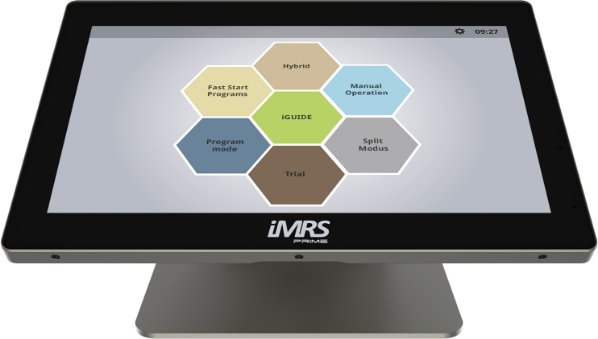
PEMF therapy is typically administered through a device that emits pulsed electromagnetic waves. The patient either lies on a mat or uses a targeted applicator placed near the affected area. The treatment sessions are relatively short, lasting between 20 to 30 minutes. Depending on the severity of the condition, patients may need multiple sessions over a few weeks to see significant results.
Conclusion:
A New Hope for Vascular Disease Relief
As vascular diseases continue to affect millions of people worldwide, the search for effective, non-invasive treatments becomes increasingly important. PEMF therapy presents a promising option for managing and relieving the symptoms of conditions like PAD, atherosclerosis, and venous insufficiency. Its ability to improve circulation, reduce pain, and promote healing makes it a powerful tool in the fight against vascular diseases. Although more research is needed, early studies suggest that PEMF therapy could become an essential part of vascular disease treatment in the future.
Comments
Post a Comment